
02 / 12Agents

Agents with a ledger behind them.

AI agents that act on their own, with a budget they cannot exceed, a short list of tools they are allowed to touch and a written record of every decision. The useful part is not that they run. It is that you can afford to let them.

Story · A day with an agent

Watch an agent work inside the limits you set.

  1. It starts with a budget.

    You decide how much it can spend each day, which tools it can use, and when it must ask you.

  2. Small jobs just happen.

    Anything under your approval line runs on its own, and every step is recorded.

  3. Big jobs wait for you.

    Above your line, the agent stops and asks. Nothing moves until a person says yes.

  4. Some things never happen.

    Over budget or outside the tool list, the request is blocked. Move the limits and see.
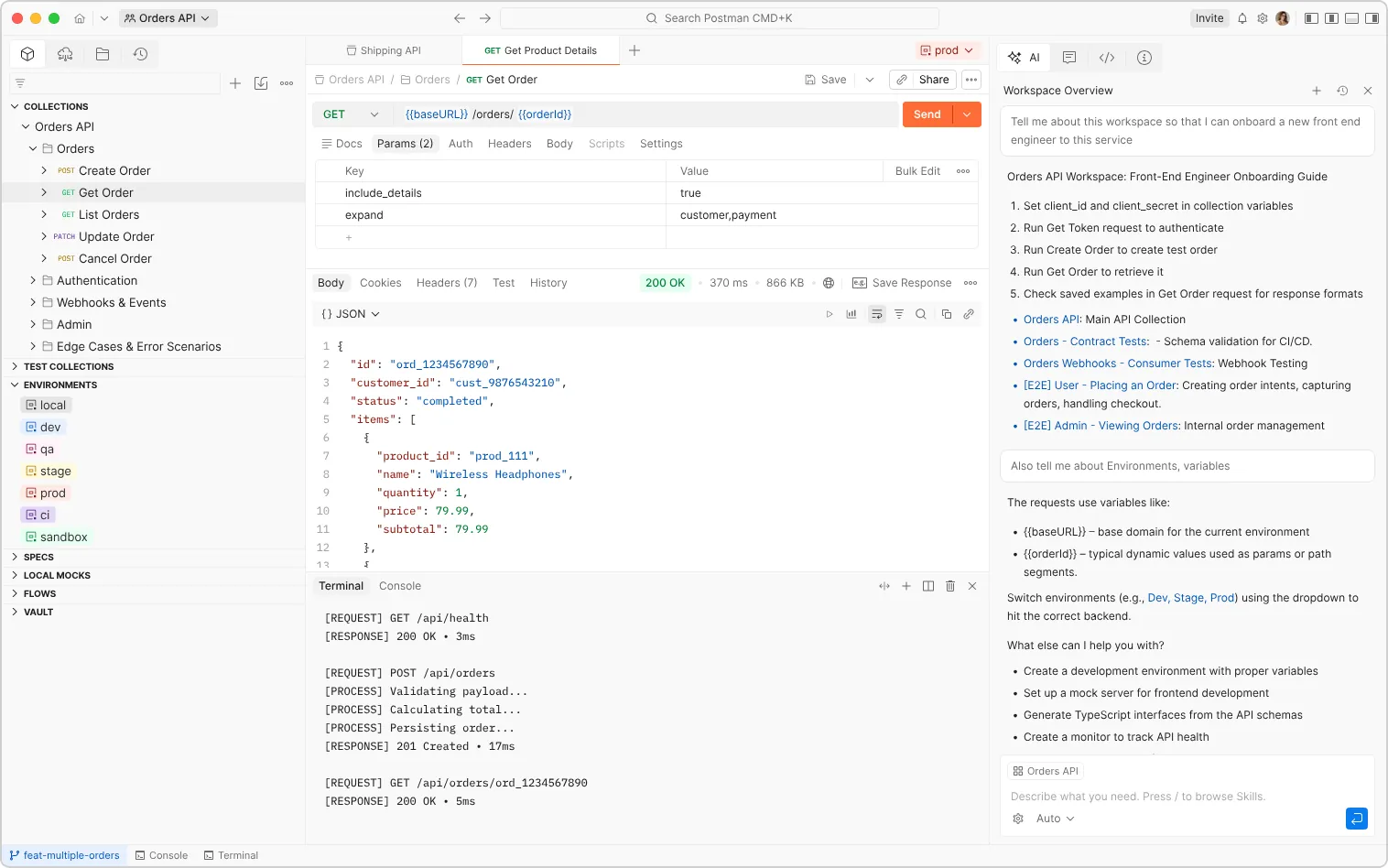
An API client showing a request collection and its response

Wire the real data

Agents break on old information long before they break on reasoning. So the data feed gets built first and we write down how fresh it has to be. The agent has to tell a quiet market from a dead connection, and stop instead of guessing when it cannot.

Agent spending todayDaily limit$250
$0of $250 spent
API credits$12
Approved
Freelancer invoice$48
Approved
Customer refundOver $50, needs your OK$62
ApproveApproved by you
Wire transferOver the daily limit$900
Blocked
Stop buttonOne click halts every agent

Risk management

A spending ceiling it cannot cross. A short list of tools it is allowed to use. Your approval above a number you choose. And a stop button a person can reach in one click. Every limit is enforced by the system rather than requested in a prompt the model can talk its way around.

An engineer reading code on a monitor during a security review

Keep the audit trail

Every decision writes a row: who asked, what ran, what it cost, what was confirmed. When a client, an auditor or your own risk team asks what happened at 09:42, you run a query instead of digging. The same discipline works in reverse when we are the ones looking: penetration testing on the live system, forensic reconstruction after an incident, and a full security audit of the code and the servers under it.

Delivery

From a written brief to a system under supervision.

The path is the same every time. You describe the outcome in plain language, we turn it into a specification with limits and owners, we build it in short blocks, and we hand it over with the controls exposed rather than buried in a config file.

01

Brief

One page in your own words. We ask the questions that change the design, not the ones that fill a form.

02

Specification

Actors, limits, failure modes and acceptance tests, written down before a line of code exists.

03

Build

Two week blocks, each ending with something running that you are able to stop.

04

Supervision

Spend ceilings, dashboards and a kill switch, handed to your team with the runbook beside them.

wienerlabs · Agent builderdraft to running
plain language

draft0 words
configured agentdraftrunning
toolsquote, route, submit
ceiling250 per day
approvalhuman above 50
scheduleevery 15 minutes
fallbackhalt and page
last run

0 decisions

1 held for review

cost

0.00

A brief on the left, the configured system and its limits on the right

Questions

Questions about agents

  • Every agent runs inside limits the system enforces rather than a prompt the model can talk its way around. It gets a spending ceiling it cannot cross, a short list of tools it is allowed to use, and your approval above a number you choose. Above that line the agent stops and asks, and nothing moves until a person says yes. Over budget or outside the tool list, the request is blocked, and one click halts every agent.

  • Yes, every decision writes a row: who asked, what ran, what it cost and what was confirmed. The log can only be added to, never edited, so when a client, an auditor or your own risk team asks what happened at a given minute, you run a query instead of digging. The same discipline works in reverse when we are the ones looking: penetration testing on the live system, forensic reconstruction after an incident and a full security audit of the code and the servers under it.

  • We build trading and research agents with a fixed toolset, a spending ceiling and a decision log that can only be added to, never edited. The catalogue also covers a single autonomous agent that uses tools and runs a workflow end to end, and multi agent orchestration where agents split the work and check each other. Around a live product, agents draft, route and enrich inside the CRM and site pipelines your team already uses, and support triage classifies a request, prioritises it and drafts the reply.

  • Agents break on old information long before they break on reasoning, so the data feed gets built first and we write down how fresh it has to be. The agent has to tell a quiet market from a dead connection, and stop instead of guessing when it cannot. Every limit on the agent is enforced by the system rather than requested in a prompt the model can talk its way around, and a person can halt every agent with one click.

  • You describe the outcome in plain language, we turn it into a specification with actors, limits, failure modes and acceptance tests, and we build in two week blocks that each end with something running you are able to stop. The first block is deliberately small so you can stop cheaply. The code lands in your repository under your licence from the first commit, and the spend ceilings, dashboards and kill switch are handed to your team with the runbook beside them before we step off.

Start a project

Next page03 / 12OperationsInternal tools your team actually opens